Preparing a House for Sale in the Netherlands
Preparing a house for sale in the Netherlands is easier when documents, energy label, repairs and buyer-facing explanations are ready before viewings start.
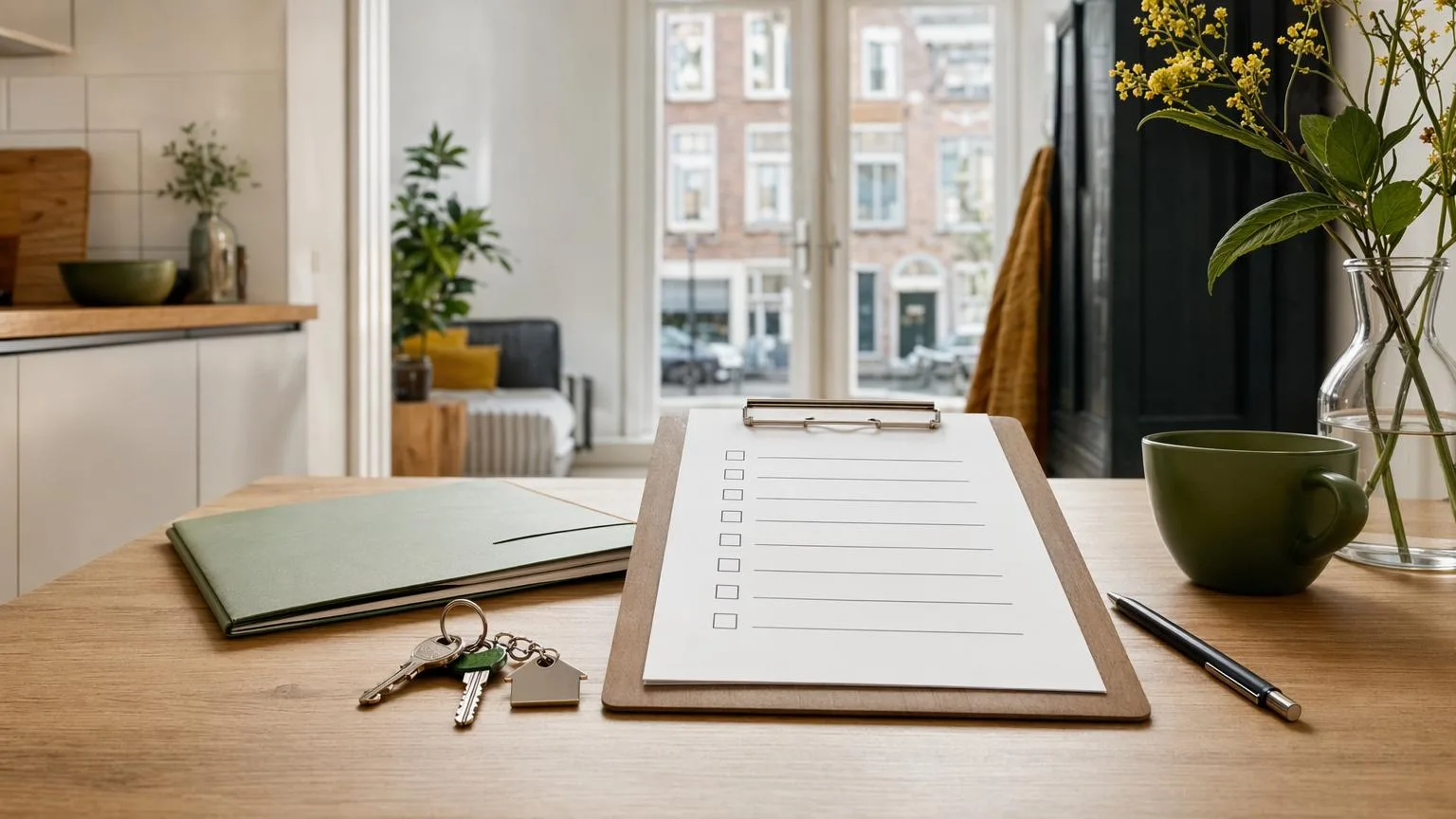
TL;DR: Prepare a house for sale in the Netherlands with a practical checklist for documents, energy label, repairs, presentation and buyer questions.
Summary
Prepare the home in three layers: practical documents, visible condition and buyer confidence. The first layer prevents delay, the second affects first impressions, and the third helps buyers make a cleaner offer.
The seller checklist is the fastest place to start if you want the whole preparation flow in one page.
Prepare the document pack
Collect ownership information, energy label details, VvE documents where relevant, renovation records, maintenance invoices and mortgage information. Apartment sellers should start early because VvE documents can take time.
Use the documents guide to check the main categories.
Fix small trust problems
Minor unfinished repairs can make buyers wonder what else has been neglected. You do not need to renovate the whole home, but you should remove avoidable doubt.
Make a list of visible defects, decide what to repair, and keep notes for what should be disclosed or explained.
Prepare for viewings
Clean rooms, natural light, simple layout and clear access matter. If you are still living in the home, remove items that make the space hard to judge. If the home is vacant, make sure heating, keys, meters and access are organised.
Prepare answers before buyers ask
Buyers often ask about service costs, VvE reserves, renovations, damp, noise, leasehold, energy use and what stays with the property. If you prepare the answers upfront, viewings feel calmer and offers can move faster.
Connected seller checks
This topic should be checked alongside Selling an Apartment With a VvE in the Netherlands, Seller Checklist, Documents Needed and Energy Label so the documents, buyer answers and timing do not contradict each other.
Start with Selling an Apartment With a VvE in the Netherlands when you need the closest next step. Selling an apartment with a VvE in the Netherlands? Prepare the documents, service-charge details and buyer questions before listing.
Use Seller Checklist to keep the related seller file complete before viewings, offer comparison or contract drafting.
If the issue affects price, conditions or timing, read Documents Needed before you give a final answer to a buyer.
Keep Energy Label open as a cross-check when this page raises a question outside the narrow topic.
What to check before you act
Preparation is not only cleaning and photos. The stronger preparation is the part buyers cannot see at first glance: documents, energy label, repair records and clear answers to predictable questions.
Use this guide as a practical check before you answer buyer questions, compare offers or let the sale move into contract drafting.
- Is the energy label arranged or at least checked?
- Are ownership, mortgage, VvE or leasehold documents easy to find?
- Which small repairs will remove buyer doubt without wasting money?
- Who will answer questions about defects, utilities, renovations and included items?
Seller file to prepare
A stronger seller file makes the sale easier to explain. It also keeps the same facts available for the agent, buyer, lender, adviser and notary, instead of forcing everyone to rebuild the story from memory.
Keep the file practical. You need enough evidence to answer predictable questions, not a perfect archive of every small household detail.
- document folder with title, energy, VvE, leasehold or renovation records
- list of known defects and repair history
- photos or notes for items that may confuse buyers
- handover list for keys, meters and included fixtures
Mistakes that make this topic harder
Most problems in this part of a Dutch sale start small. A vague answer, missing date or assumed document can grow into a weaker offer, a wider condition or a delay close to transfer.
Check these points before you accept an offer or let the sale move into contract drafting.
- spending money on styling while leaving document gaps unresolved
- hiding small issues that will come up during inspection
- forgetting that an apartment buyer may care as much about the VvE as the rooms
- starting viewings before deciding what stays with the house
When extra help is worth it
Use the seller checklist before booking photos or viewings. If the checklist exposes document gaps, fix those first because they can slow the sale after buyer interest is already there.
If you are not sure which option fits, use the contact form and select the option that matches your situation: selling now, valuation before selling or help understanding the process.
Question 1: Is the energy label arranged or at least checked?
Question 2: Are ownership, mortgage, VvE or leasehold documents easy to find?
Question 3: Which small repairs will remove buyer doubt without wasting money?
Question 4: Who will answer questions about defects, utilities, renovations and included items?
Evidence 1: Add document folder with title, energy, VvE, leasehold or renovation records to the seller file.
Evidence 2: Add list of known defects and repair history to the seller file.
Evidence 3: Add photos or notes for items that may confuse buyers to the seller file.
Evidence 4: Add handover list for keys, meters and included fixtures to the seller file.
Avoid 1: Watch for spending money on styling while leaving document gaps unresolved.
Avoid 2: Watch for hiding small issues that will come up during inspection.
Avoid 3: Watch for forgetting that an apartment buyer may care as much about the VvE as the rooms.
Avoid 4: Watch for starting viewings before deciding what stays with the house.
Related seller guides
FAQ
Should I renovate before selling?
Only when the likely value gain or sale speed justifies the cost and time. Small repairs are often more sensible than major work.
When should I request the energy label?
Do it before listing if the label is missing or outdated, because sellers must provide a definitive EPC when selling or renting.
What should I do first?
Start with documents and valuation, then handle presentation and viewing details.
What should I check before I act?
First answer this: “Is the energy label arranged or at least checked?” Then check: “Are ownership, mortgage, VvE or leasehold documents easy to find?”
Which documents should I collect?
Start with document folder with title, energy, VvE, leasehold or renovation records and list of known defects and repair history. Add anything that supports the answer you will give to the buyer.
What is the biggest mistake to avoid?
A common mistake is spending money on styling while leaving document gaps unresolved. Check this before viewings, offer acceptance or contract drafting.
Can this affect the asking price?
Yes. Anything that changes buyer confidence, expected costs, timing or risk can affect price discussions and negotiation space.
Can this delay the sale?
It can if a document, condition, lender check, buyer question or notary request is unresolved close to signing or transfer.
Should I discuss this before accepting an offer?
Yes, if it can affect price, buyer certainty, conditions or timing. Clear answers before acceptance reduce renegotiation risk.
Should this be written down?
Important facts, agreements, exclusions and deadlines should be written down so everyone works from the same information.