Selling a Dutch house from abroad
Selling a Dutch house from abroad can be possible, but it usually needs more planning than a local sale.
Finding a buyer is only one part of the sale. You also need a plan for property access, documents, identity checks, signatures, notary timing and fast answers from a different time zone.
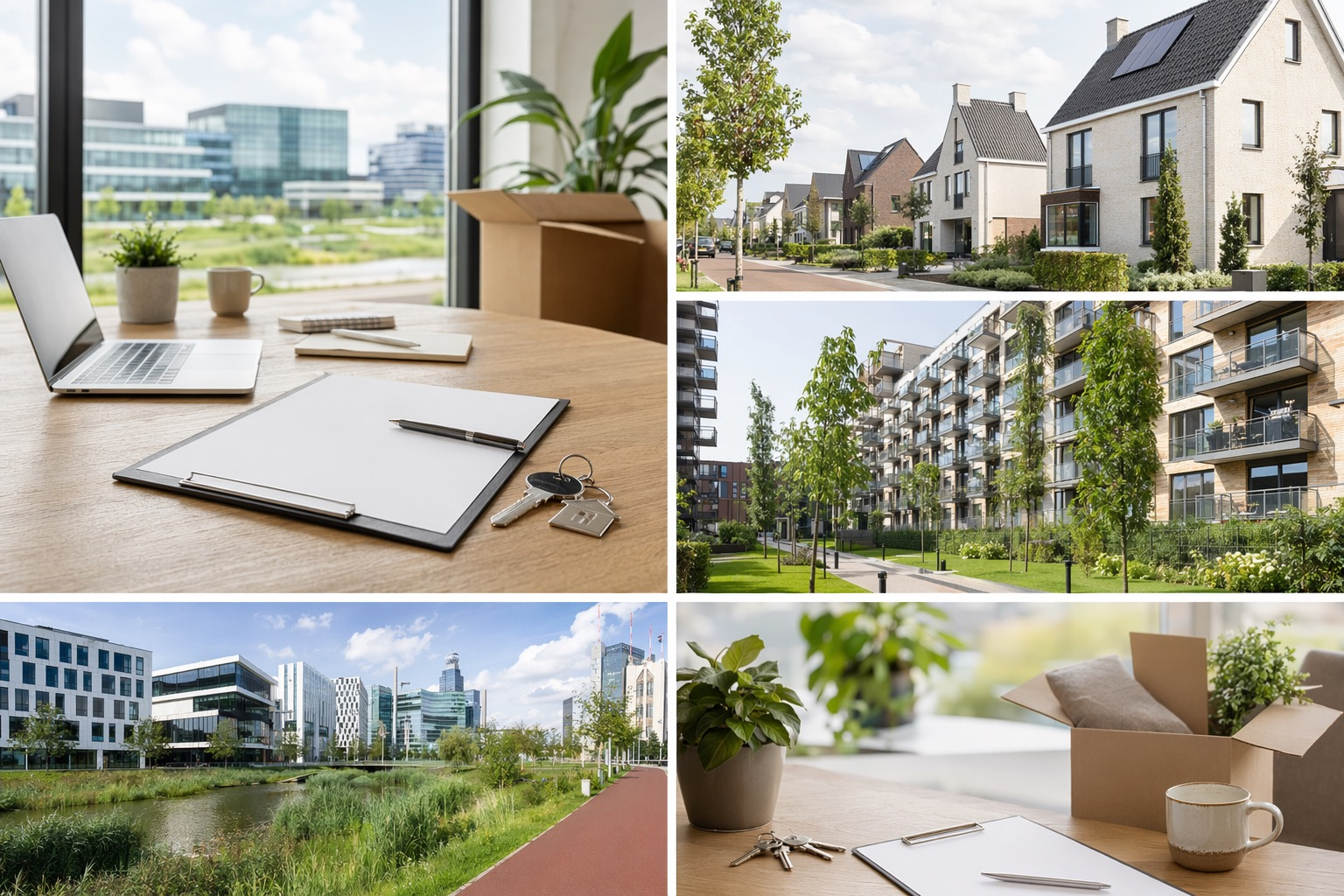
If you are outside the Netherlands, start by checking who can act locally, how viewings and inspections will be handled, which documents are ready, and what the notary or adviser will require for signing.
Remote selling can work when the authority, document and communication plan is clear early. It becomes risky when the seller waits until the notary stage to solve identity, signature or missing-document questions.
What changes when the seller is abroad
A remote sale has the same basic goal as any Dutch home sale: prepare the property, agree the sale, complete the transfer and receive the proceeds after sale-related deductions.
The difference is coordination. You may need other people to handle practical work in the Netherlands while you approve decisions from abroad.
Someone may need to arrange keys, photography, viewings, inspections, meter readings and handover checks.
You may need records from old email, a Dutch bank, a VvE, a lender, Kadaster, an energy-label provider or past purchase files.
The signing process should be checked early, especially if the seller cannot travel to the Netherlands.
Time zones can slow buyer questions, agent decisions, notary requests and transfer preparation.
Power of attorney in plain English
The Dutch term volmacht means authorisation or power of attorney. Notaris.nl explains that with a power of attorney you give someone else a certain authority so that person can arrange matters for you when you cannot do so yourself.
For a property sale, do not assume that a generic signed letter is enough. Ask the notary or adviser which form is needed and how it must be signed from your country.
NetherlandsWorldwide explains that signature legalisation may be needed for a power of attorney for the sale of property. The practical process depends on your nationality, country and document.
If a power of attorney is needed, ask exactly who prepares it, who may sign it, whether the signature must be legalised, and whether country-specific steps apply.
What to arrange before listing
Before the home goes live, make the remote sale workable on paper and in practice.
- Local access for photos, viewings, inspections and key handover.
- A digital folder with ownership, mortgage, VvE, energy-label and maintenance documents.
- A clear list of all legal owners and who must approve decisions.
- A signing process checked with the notary or adviser.
- A response plan for buyer questions and deadlines.
- Bank and proceeds details checked before transfer.
- A contact person for practical issues in the Netherlands.
Common risks
If nobody can provide access, collect keys or meet practical requests, the sale can lose momentum.
If seller authority is unclear, signing can become a late-stage problem.
Apartment documents, mortgage information, energy labels and renovation records can take time to collect from abroad.
Tax, inheritance, divorce, company ownership or foreign-law questions may need separate qualified advice.
Where this fits in the seller process
Use the selling process page for the full process from preparation to transfer.
Use the documents page to prepare the paperwork before you ask for buyer or notary steps.
Use the seller checklist if you want a practical first pass before speaking with anyone.
Use the costs page if you need to think about sale proceeds, mortgage repayment or extra advice costs.
If you are abroad now, or expect to be abroad during the sale, start with the practical blockers: access, documents, signatures, response speed and whether separate advice is needed.
Use the contact form and mention the country you are in, whether you can travel to the Netherlands if needed, and whether all legal owners are available to sign.