Open House and Viewings When Selling in the Netherlands
This topic should be planned around access, presentation, documents and clear buyer follow-up.

TL;DR: Prepare for open house and viewings when selling in the Netherlands, including access, presentation, buyer questions and follow-up.
Summary
Good viewings make the property easy to understand. Prepare access, light, documents and answers before buyers arrive.
Before the viewing
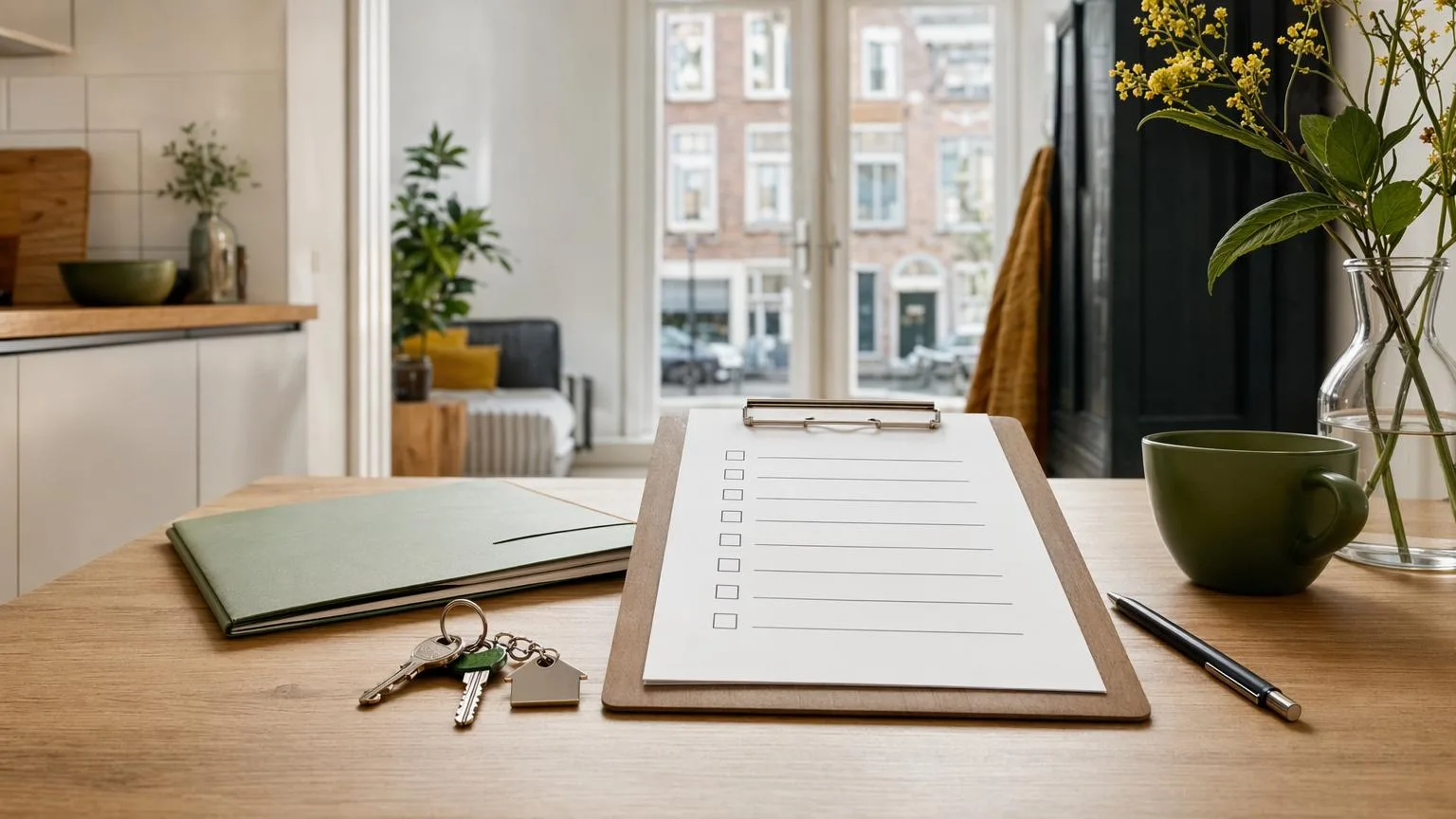
Clean, remove clutter, check keys, prepare documents and decide who answers questions.
During the viewing
Answer facts clearly and avoid guessing. If you do not know, say you will check.
After the viewing
Record buyer questions and follow up consistently, especially when several buyers ask the same thing.
Connected seller checks
This topic should be checked alongside Home Inspection Before Selling in the Netherlands, Preparing a House for Sale in the Netherlands, Seller Disclosure Duty When Selling a House in the Netherlands and Negotiating Offers When Selling a House in the Netherlands so the documents, buyer answers and timing do not contradict each other.
Start with Home Inspection Before Selling in the Netherlands when you need the closest next step. Should you arrange a home inspection before selling in the Netherlands? Compare disclosure, buyer trust, repair planning and offer certainty.
Use Preparing a House for Sale in the Netherlands to keep the related seller file complete before viewings, offer comparison or contract drafting.
If the issue affects price, conditions or timing, read Seller Disclosure Duty When Selling a House in the Netherlands before you give a final answer to a buyer.
Keep Negotiating Offers When Selling a House in the Netherlands open as a cross-check when this page raises a question outside the narrow topic.
What to check before you act
Viewings are where buyer curiosity turns into specific questions. The seller’s job is to make the home easy to inspect and to keep answers factual, consistent and recorded.
Use this guide as a practical check before you answer buyer questions, compare offers or let the sale move into contract drafting.
- Can buyers access every relevant room, meter, storage space and outdoor area?
- Are documents ready for questions about energy, VvE, leasehold or renovations?
- Who answers questions during and after the viewing?
- How will repeated questions be tracked?
Seller file to prepare
A stronger seller file makes the sale easier to explain. It also keeps the same facts available for the agent, buyer, lender, adviser and notary, instead of forcing everyone to rebuild the story from memory.
Keep the file practical. You need enough evidence to answer predictable questions, not a perfect archive of every small household detail.
- viewing checklist and access plan
- fact sheet for known property details
- notes from buyer questions
- follow-up messages with checked answers
Mistakes that make this topic harder
Most problems in this part of a Dutch sale start small. A vague answer, missing date or assumed document can grow into a weaker offer, a wider condition or a delay close to transfer.
Check these points before you accept an offer or let the sale move into contract drafting.
- over-staging rooms so buyers cannot inspect practical details
- answering from memory when documents are available
- letting different viewers receive different information
- failing to follow up on questions that signal a wider concern
When extra help is worth it
If viewings reveal the same concern more than once, treat it as a sale issue rather than a one-off question. Clarify it in writing before offers arrive.
If you are not sure which option fits, use the contact form and select the option that matches your situation: selling now, valuation before selling or help understanding the process.
Question 1: Can buyers access every relevant room, meter, storage space and outdoor area?
Question 2: Are documents ready for questions about energy, VvE, leasehold or renovations?
Question 3: Who answers questions during and after the viewing?
Question 4: How will repeated questions be tracked?
Evidence 1: Add viewing checklist and access plan to the seller file.
Evidence 2: Add fact sheet for known property details to the seller file.
Evidence 3: Add notes from buyer questions to the seller file.
Evidence 4: Add follow-up messages with checked answers to the seller file.
Avoid 1: Watch for over-staging rooms so buyers cannot inspect practical details.
Avoid 2: Watch for answering from memory when documents are available.
Avoid 3: Watch for letting different viewers receive different information.
Avoid 4: Watch for failing to follow up on questions that signal a wider concern.
Related seller guides
FAQ
Should the seller attend viewings?
It depends on the sale setup. Some buyers ask more freely when the seller is absent.
What should I never guess about?
Do not guess about legal, VvE, leasehold, defects or contract facts. Check first.
What should I check before I act?
First answer this: “Can buyers access every relevant room, meter, storage space and outdoor area?” Then check: “Are documents ready for questions about energy, VvE, leasehold or renovations?”
Which documents should I collect?
Start with viewing checklist and access plan and fact sheet for known property details. Add anything that supports the answer you will give to the buyer.
What is the biggest mistake to avoid?
A common mistake is over-staging rooms so buyers cannot inspect practical details. Check this before viewings, offer acceptance or contract drafting.
Can this affect the asking price?
Yes. Anything that changes buyer confidence, expected costs, timing or risk can affect price discussions and negotiation space.
Can this delay the sale?
It can if a document, condition, lender check, buyer question or notary request is unresolved close to signing or transfer.
Should I discuss this before accepting an offer?
Yes, if it can affect price, buyer certainty, conditions or timing. Clear answers before acceptance reduce renegotiation risk.
Should this be written down?
Important facts, agreements, exclusions and deadlines should be written down so everyone works from the same information.
How does this connect to the rest of the sale?
It usually connects to documents, valuation, buyer questions, the purchase agreement and notary timing.